

Two Thackerays, One Rally: How Raj and Uddhav Came Together for Marathi Pride
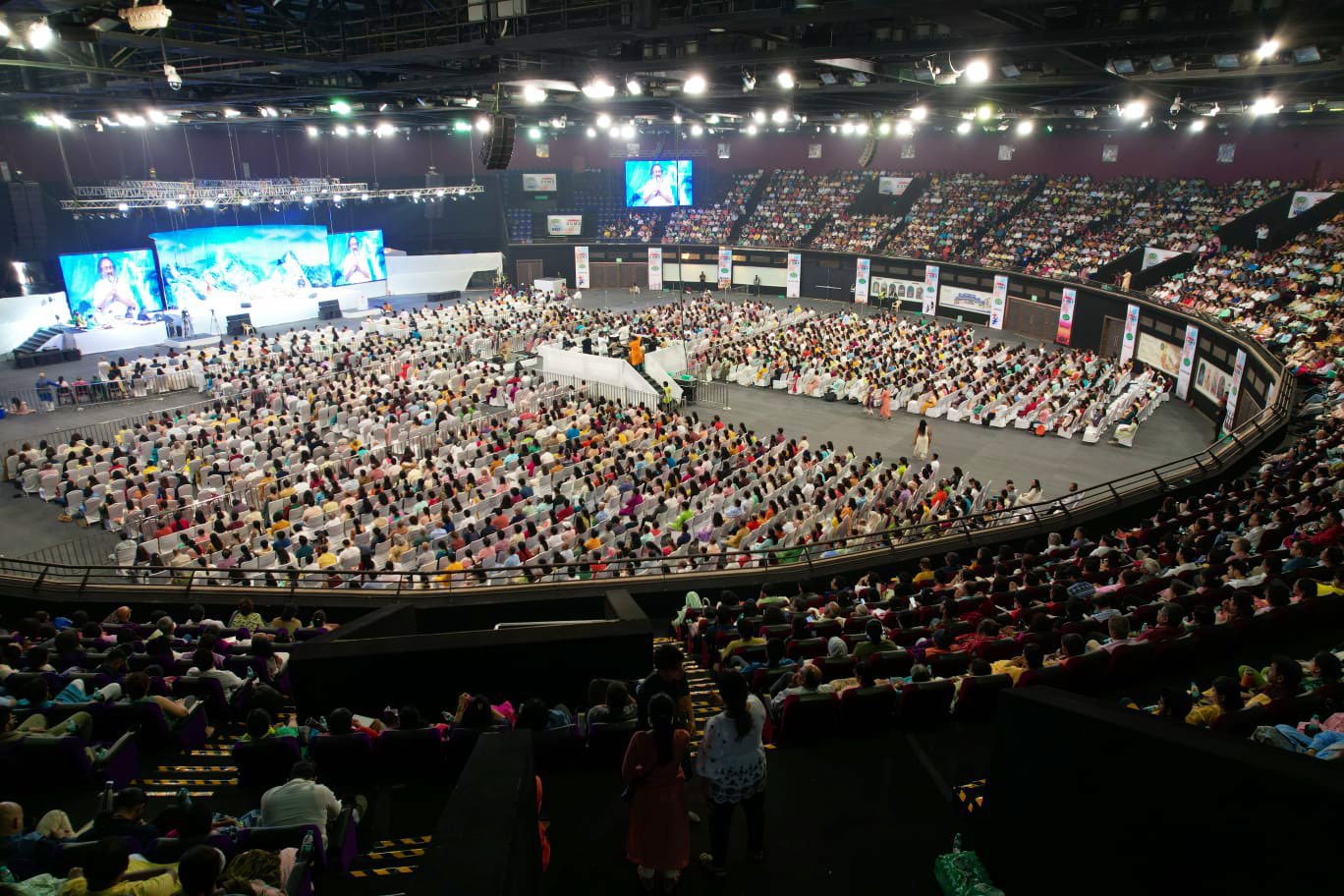
In the heart of Mumbai, history quietly repeated itself—two powerful cousins, divided for nearly 20 years, stepped onto the same stage again. This time, it wasn’t politics or rivalry that united them, but something more profound: the defense of Marathi identity.
The cause was simple but powerful. In April, Maharashtra's government quietly passed a policy making Hindi mandatory in primary schools. The decision sparked immediate backlash from cultural groups and political leaders. Among the strongest critics were Shiv Sena’s Uddhav Thackeray and MNS leader Raj Thackeray. They argued that imposing Hindi threatened Marathi culture and would erode local pride.
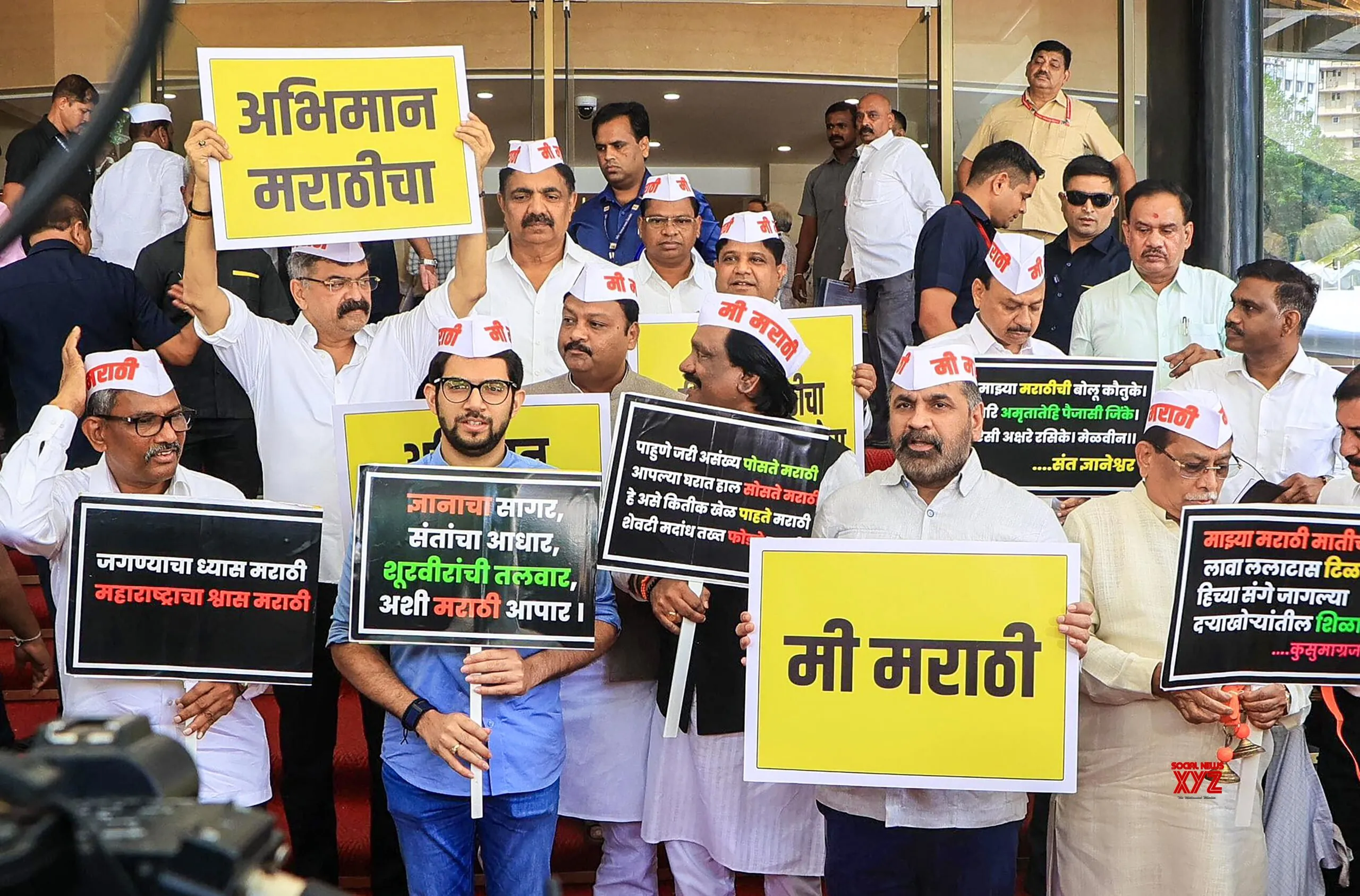
By early July, pressure reached a tipping point. The government reversed its stance, retracting the policy. In response, the two Thackerays organized a rally at the NSCI Dome in Worli—a “victory” celebration for Marathi unity. On July 5, 2025, the rally drew thousands: politicians, poets, actors, students—all rallying under a single banner: "Awaj Marathicha"—the voice of Marathi.
What made the event unforgettable was its symbolism. For the first time since their rift in 2005, Raj and Uddhav shared a platform. No party flags or BJP visits allowed—just a celebration of language, culture, and collective power. Their handshake and warm embrace sent a message clear to every Marathi speaker: cultural identity isn’t just a slogan—it’s the heart of Maharashtra.
They didn’t just celebrate—the rally issued a warning. In their speeches, both Thackerays emphasized that any future attempts to undermine Marathi would be met with equal unity and resistance. Uddhav even noted that what Bal Thackeray—who had kept the family’s factions united—couldn’t achieve, Chief Minister Devendra Fadnavis inadvertently did by pushing the language issue too far. Raj put it simply: “They may have legislative power in Mumbai, but real power lies with the people.”
Why this rally matters:
It marked a rare public reunion of long-divided cousins, signaling a potential political pivot.
It served as a cultural milestone, not only a political protest—calling for cultural respect and Marathi pride.
It reminded leaders that language matters—and voters are ready to stand for identity.
It reset the political clock ahead of local elections, creating a unified front that could reshape Maharashtra’s future.
As the rally ended, streets were filling with chatter, excitement, and possibility. Was this just a cultural event, or the first chapter in a broader political comeback? Either way, for one day, the Thackerays reminded Maharashtra: unity isn’t given—it’s earned, especially when language and culture are at stake.