
The Future of Cancer Detection Might Be in Your Pee — And It’s Closer Than You Think
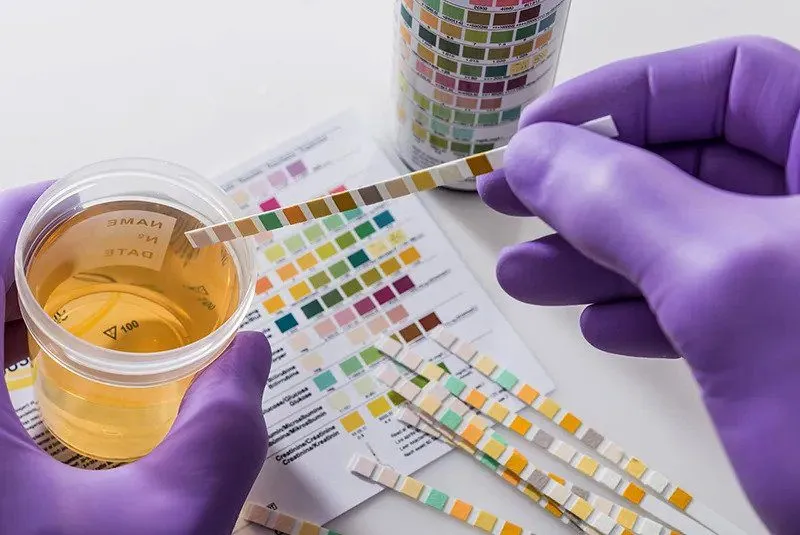
Imagine going to the doctor for a routine check-up. No blood tests, no scans, no invasive procedures — just a simple urine sample. That’s it. And from that alone, doctors could tell if you’re developing cancer, possibly even years before any symptoms show up.
Sounds like science fiction, right? But it’s not.
A revolutionary test, known as TOBY, has recently been recognized by the FDA as a “Breakthrough Device”, and it’s showing real promise as the future of non-invasive cancer detection. The tech behind it is as impressive as its potential impact — and it could change how we detect and treat cancer forever.
How It Works: The Science Is In the Smell
What makes TOBY so powerful isn’t some complicated surgery or cutting-edge imaging machine — it’s chemistry and AI, working together. The test analyzes urine using a technique called gas chromatography–mass spectrometry (GC-MS). This method allows scientists to detect volatile organic compounds (VOCs) — basically, chemical signatures that your body emits when something’s wrong, like the early development of cancer cells.
These VOCs are incredibly faint. No human could detect them, but machines can. And with the help of AI, those machines can even learn which patterns in the chemical data might point to something dangerous like bladder cancer, which this test is specifically focused on for now.
But the researchers behind TOBY aren’t stopping there. The goal is to develop this test to spot multiple types of cancer — all from the same type of sample. No needles. No biopsies. Just a urine sample, and highly advanced data crunching in the background.
Why This Could Be a Game Changer
The biggest killer with cancer is often late detection. By the time many people discover they’re sick, the disease has already advanced. Treatments become more difficult, and chances of recovery drop significantly.
TOBY could flip that equation.
In preliminary studies, it’s shown the ability to pick up cancer signs much earlier than traditional methods, sometimes years before any physical symptoms appear. Imagine what that could mean — not just for survival rates, but for peace of mind. Annual urine tests could become routine, giving people real-time insights into their health without scary or uncomfortable procedures.
And it’s not just about being early. It’s also about being accessible. Unlike MRI machines or invasive diagnostics, this kind of testing could be scaled more easily. Clinics in smaller towns or countries with limited medical infrastructure could use these tests too, potentially saving lives across the globe.
But Let’s Be Clear: It’s Still in Development
It’s important to mention that TOBY isn’t available to the public just yet. It’s been approved for a fast-track development and testing process, which is a huge deal, but there’s still a journey ahead. It needs to pass further trials, real-world evaluations, and gain full regulatory approval before it becomes part of standard medical practice.
But the fact that it’s already earned “breakthrough” status means the medical world sees genuine potential here. The excitement isn’t just hype — it’s based on real, measurable science.
The Bigger Picture: AI, Simplicity, and the Future of Medicine
What TOBY represents goes beyond just one test. It’s a glimpse into the future of healthcare, where AI works quietly in the background, spotting things we could never see. Where non-invasive doesn’t mean “less effective” — it means smarter, safer, more humane. Where a sample of something as ordinary as urine could give you life-saving information.
And maybe most importantly, it means empowering patients. No more waiting until things get bad. No more guessing. Just accurate, early insights — in time to do something about it.
So yeah, the next time someone tells you about pee tests and artificial intelligence, don’t laugh it off. This little breakthrough could be the start of something very, very big.