

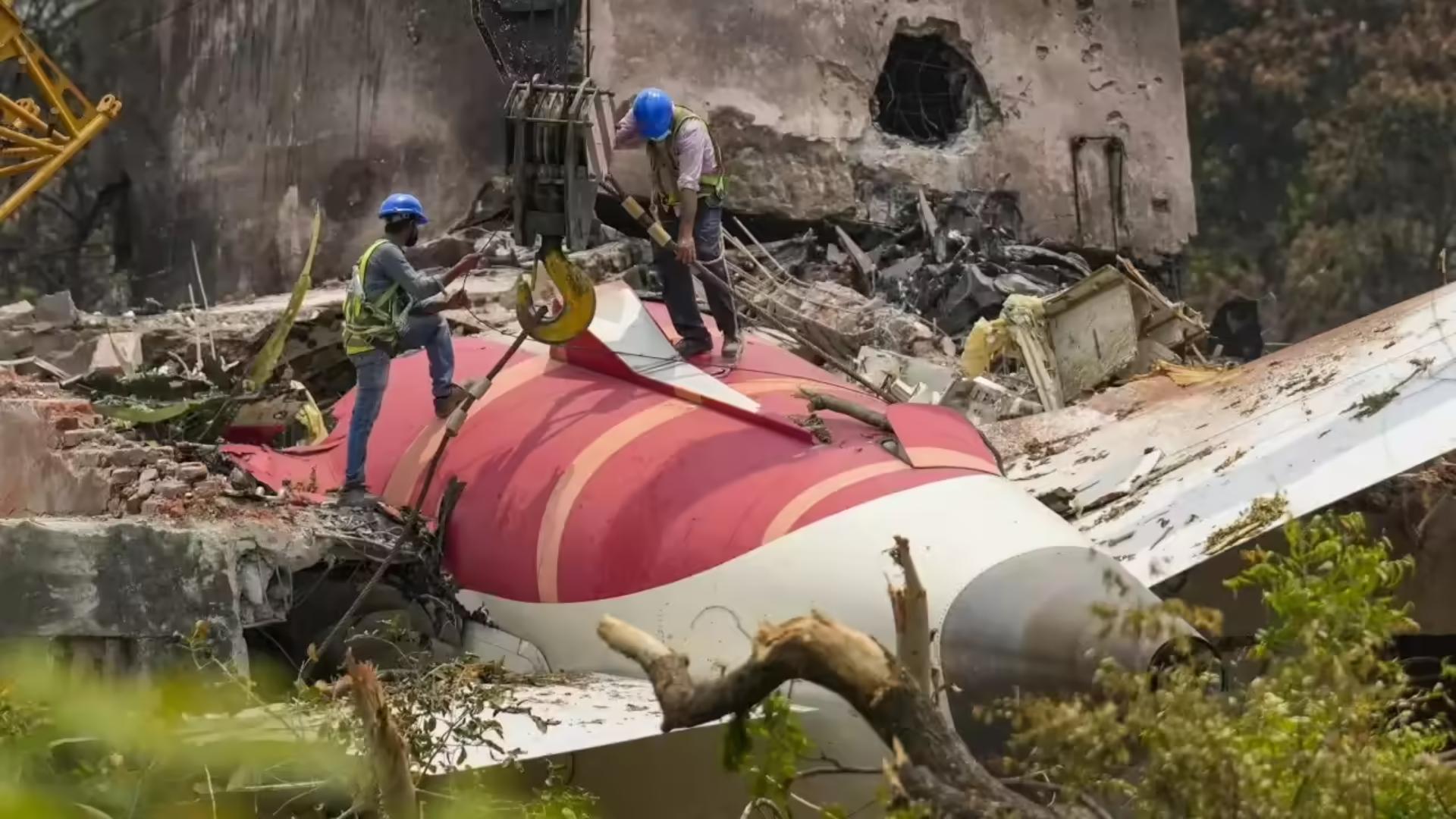
New Twist in the Air India Crash Investigation Raises Tough Questions
Two months have passed since the tragic crash of Air India Flight 171 near Ahmedabad, and while the initial shock may have faded, the mystery around what truly happened is only growing deeper.
Recently, investigators zeroed in on a critical moment that happened just seconds after takeoff. Black box recordings revealed that the fuel cutoff switches—controls that regulate engine power—were suddenly flipped to the "off" position. That action alone would have starved both engines of fuel and led to complete engine failure, which is exactly what happened. What’s chilling is that one of the pilots asked the other, “Why did you turn them off?” And the reply came: “I didn’t.”
This simple but haunting exchange has set off a wave of speculation and concern. Some foreign media reports hinted that the captain may have deliberately flipped the switches, raising the possibility of intentional sabotage. But Indian aviation officials were quick to hit back, calling those conclusions irresponsible and premature. They made it clear—this is still an ongoing investigation, and they’re looking into every possibility, including mechanical malfunction, accidental action, or human error.
What makes this crash particularly difficult is that both pilots died in the crash, along with 258 others. Only one passenger miraculously survived. The flight had been routine until those final few seconds, and now, investigators are left to reconstruct the entire chain of events using data, cockpit voice recordings, and aircraft systems.
Pilot groups across India have strongly defended the flight crew, rejecting the theory that this was a case of deliberate action. They argue that without the full evidence and official findings, no one should jump to conclusions about what went wrong in that cockpit.
Meanwhile, aviation safety regulators have taken no chances. Airlines across India have been instructed to inspect similar fuel switch mechanisms on other Boeing 787 aircraft to rule out any systemic issue. So far, nothing unusual has been found, but it's a precaution that underscores just how seriously the situation is being taken.
This incident has already prompted wider discussions within the aviation community about aircraft design, cockpit safety, and mental health screening for pilots. But above all, the world is still waiting for answers—and the families of those lost deserve nothing less than the full truth. Until the final accident report is released, expected within the year, this tragic crash will remain under a heavy cloud of uncertainty.