

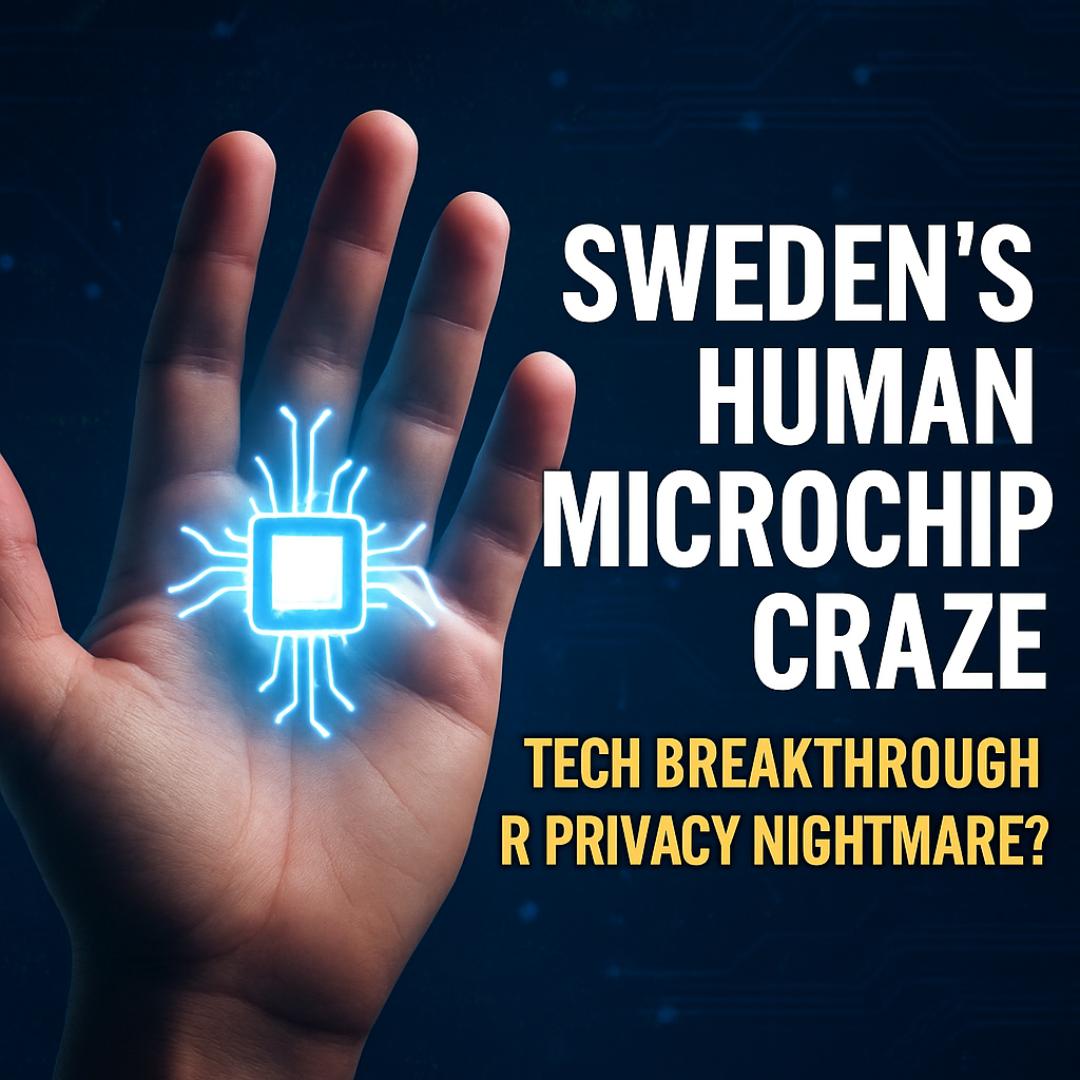
Inside Sweden’s Human Microchip Movement: Innovation or Invasion of Privacy?
A chilling yet fascinating trend has been making headlines across the world—over 6,000 people in Sweden have voluntarily implanted microchips under their skin. These tiny devices, roughly the size of a grain of rice, are redefining how humans interact with technology. From opening doors to making payments, the microchip movement is reshaping everyday life in ways once only imagined in science fiction.
But as the excitement around convenience grows, so do concerns around surveillance, ethics, and bodily autonomy. Is this a step toward a more efficient society or a slippery slope into a dystopian future?
What Are These Microchips?
The microchips in question are Radio Frequency Identification (RFID) or Near Field Communication (NFC) devices—similar to what’s found in contactless credit cards or pet trackers. These chips are usually implanted between the thumb and index finger through a simple injection procedure.
The idea isn't new, but what sets Sweden apart is how normalized and widespread the trend has become.
- Why Sweden?
Sweden has long been a pioneer in embracing digital innovation. It's already a largely cashless society, with digital payments used in almost all aspects of daily life. Combine this with a high level of public trust in technology and government, and it creates the perfect environment for such a bold societal shift.
In 2015, the trend began gaining traction when companies like Biohax International, founded by Jowan Österlund, started offering the microchipping service. Since then, tech-savvy Swedes have lined up at tech fairs, offices, and even parties to get chipped.
What Can the Microchip Do?
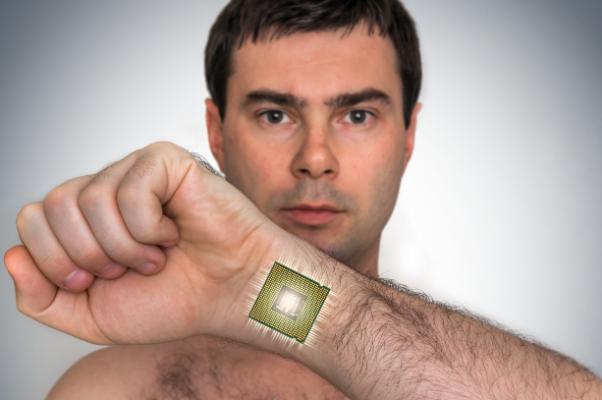
These chips currently perform a range of tasks, including:
Acting as key cards to access offices or gyms
Making contactless payments
Storing emergency medical information
Replacing train tickets
Unlocking smartphones or laptops
As tech evolves, so does the potential of these chips. Some developers envision future chips capable of monitoring health, storing passports or IDs, and even replacing wallets entirely.
Benefits of Human Microchipping
Convenience: No more carrying keys, wallets, or access cards. Everything is inside your hand.
Security: Harder to lose or steal than physical cards or devices.
Innovation: Encourages the development of even more integrated smart systems.
But What About the Risks?
Despite the convenience, the microchip movement has raised serious ethical and societal concerns:
"Privacy and Surveillance
What happens if microchip data is hacked or misused? Could employers or governments track individuals without consent?
"Bodily Autonomy
Some fear that this may lead to societal pressure, where being chipped becomes a requirement instead of a choice.
"Lack of Regulation
Since the trend is still new, there are limited legal protections regarding data stored in or collected from microchips.
"Health Concerns
While the implantation is relatively safe, there’s still ongoing research about the long-term effects of having microchips in the body.
What Do Experts Say?
Jowan Osterlind of Biohax argues that these chips are completely safe and encrypted. He claims the real danger is not the chip itself, but how society chooses to use it. “If you don’t like it,” he says, “you don’t need to get one. But the world is moving forward.”
Meanwhile, privacy advocates are sounding the alarm. Edward Snowden, known for revealing NSA surveillance programs, has warned that even well-meaning tech can be weaponized if placed in the wrong hands.
Is This the Future?
In Sweden, microchipping seems to be a voluntary trend driven by curiosity and convenience. But it raises global questions. Will the rest of the world follow suit? Or will countries draw the line at integrating technology directly into the human body?
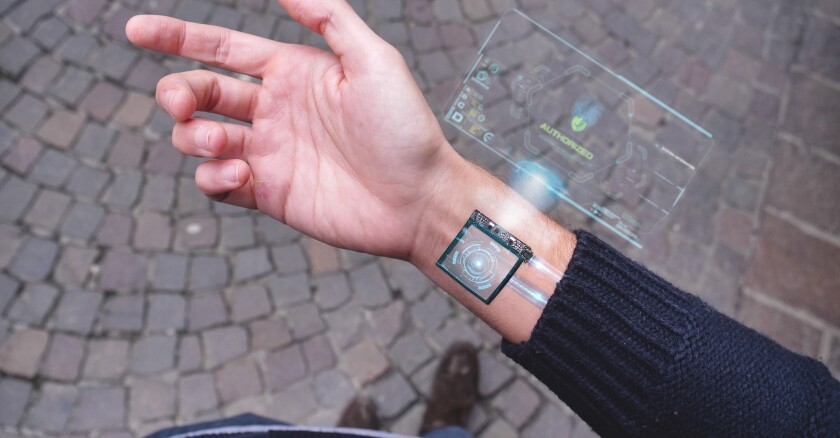
One thing is certain—this is more than just a tech fad. It’s a conversation about where we draw the line between human and machine, freedom and control, and progress and preservation.
Final Thoughts
As microchipping gains momentum, it forces us to rethink what it means to be human in a digital world. The Swedish experiment is not just about technology—it’s a mirror held up to society, reflecting both our hopes for the future and our fears about losing control.
Whether you see it as genius or a glimpse of a dystopian tomorrow, the microchip movement in Sweden is undeniably a sign that the future is arriving—one scan at a time.