

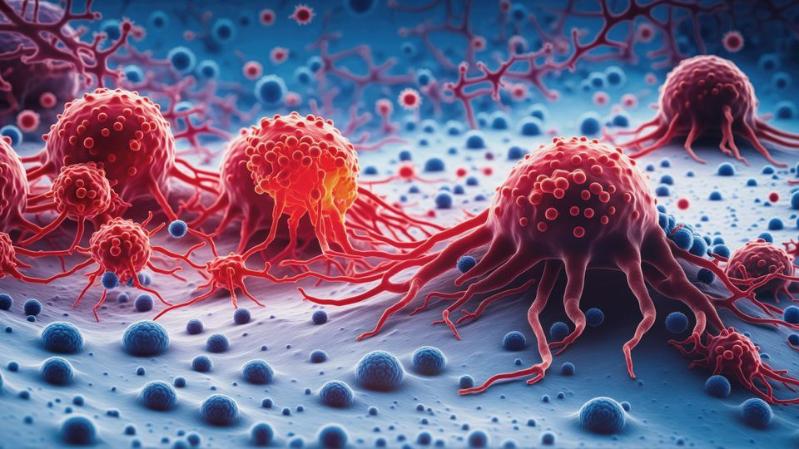
Did Scientists Really Discover a Cancer-Fighting Protein Called LEM? The Full Story
For a moment, it seemed like a major leap forward in the fight against cancer. Back in 2015, researchers from Imperial College London announced they had found a new protein that could dramatically improve the immune system’s ability to destroy cancer cells. They called it LEM, short for lymphocyte expansion molecule, and early experiments in mice were incredibly promising.
The idea was simple, yet powerful: T cells—the immune system’s natural cancer fighters—often run out of energy when trying to attack tumors. LEM seemed to give these cells a serious boost. In lab tests, mice with high levels of the protein produced up to ten times more active T cells and showed stronger resistance to both cancer and infections. There was even hope that LEM could help T cells "remember" how to fight off diseases if they came back, offering long-term protection.
The excitement around LEM sparked conversations about new types of treatment—gene therapies, cell-based approaches, and even alternatives to chemotherapy. It wasn’t just another lab story; it felt like a new chapter in immune research might be unfolding.
But things took a turn.
About a year later, concerns emerged about the data behind the study. Scientists reviewing the paper noticed problems in the images and experimental results. After an internal investigation, the journal Science—which had published the original findings—decided to retract the study. In simple terms, this meant the results could no longer be trusted as reliable science. The authors acknowledged some of the issues but stood by the general idea, although the broader scientific community moved on cautiously.
So what does this mean for LEM? As of now, it’s no longer considered a proven target for cancer treatment. The protein itself hasn't progressed into clinical trials, and no therapies based on it are being developed. While the discovery once held real promise, it also serves as a reminder of how scientific research must go through repeated testing and peer review before it turns into something we can actually use in medicine.
Breakthroughs in science often come with excitement, but also with the need for careful verification. The story of LEM isn't a tale of failure—it’s a snapshot of how science works: bold ideas, tested rigorously, and refined through scrutiny. And while this particular chapter may have closed, it still leaves behind valuable questions for researchers chasing the next true breakthrough in cancer treatment.