

Can Dandelion Root Extract Kill Cancer Cells?
Here’s What Science Actually Says — A Deep Dive Into the Research and Reality
Introduction: A Common Weed, An Uncommon Promise
The dandelion (Taraxacum officinale) is one of the most familiar plants in the world — often seen as a garden pest. But what most people don’t realize is that the root of this simple plant has been used in traditional medicine for centuries to treat various ailments, including liver disease, inflammation, and digestive issues.
Now, it’s gaining attention for a far more serious reason: its potential ability to kill cancer cells. The internet is buzzing with headlines, and early lab studies have shown shocking results. But is this hype or hope?
What Exactly Have Scientists Found?
Let’s break down the science into clear, understandable sections.
1. Dandelion Root Induces Apoptosis in Cancer Cells
Several laboratory (in vitro) studies have shown that dandelion root extract can induce apoptosis, which is a natural process of programmed cell death — the way your body eliminates damaged or harmful cells.
Unlike chemotherapy drugs, which often damage healthy cells too, dandelion root extract showed selectivity — killing cancer cells while sparing healthy ones.
In a 2011 University of Windsor study, aqueous dandelion root extract killed colon cancer cells (HT-29 and HCT116) effectively within 48 hours.
These cells underwent mitochondria-mediated apoptosis — meaning the extract disrupted the energy system of the cancer cell, forcing it to self-destruct.
2. Multiple Cancer Types Show Response
It’s not just colon cancer. Other studies show dandelion root extract also affects:
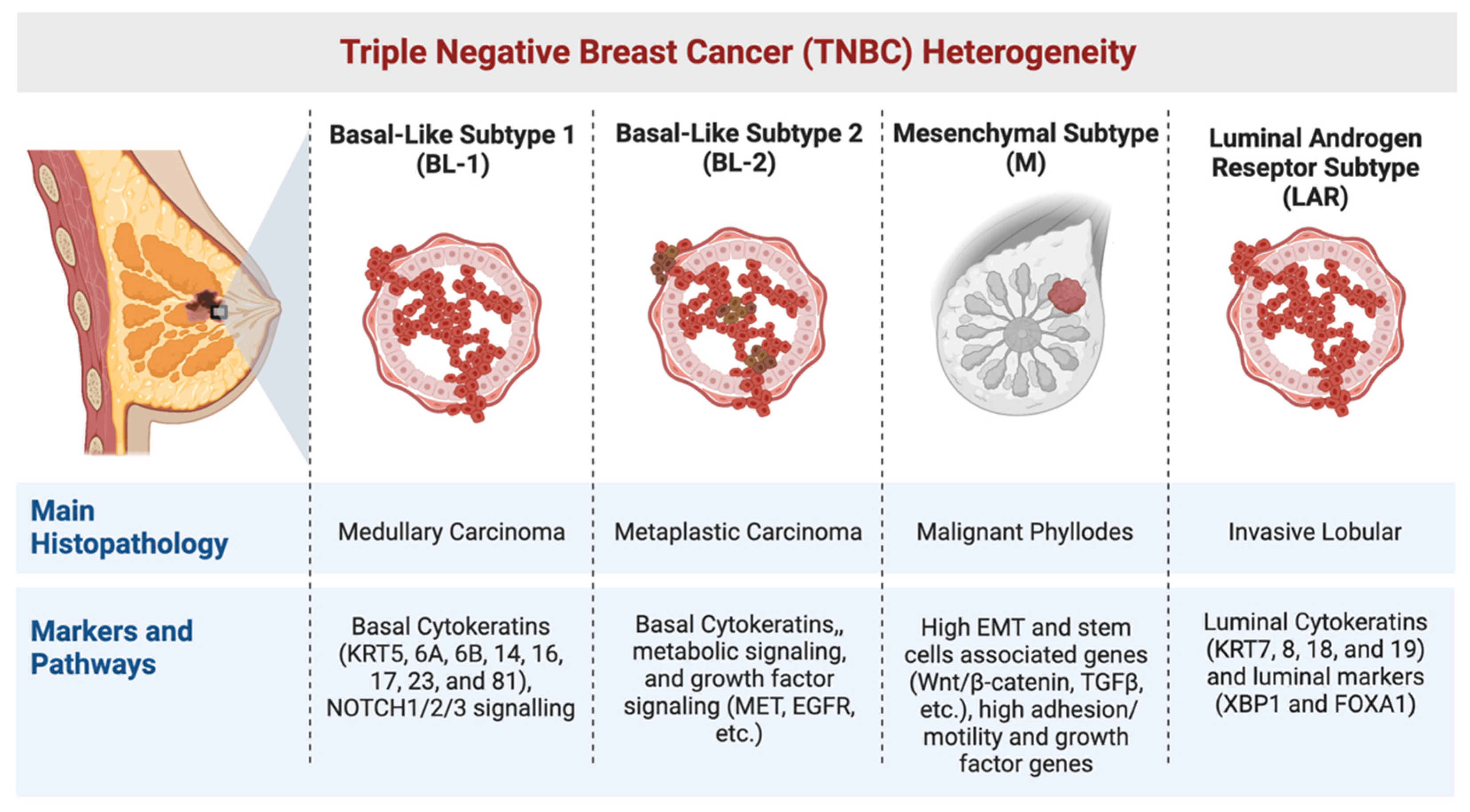
Breast Cancer Cells (MCF-7, MDA-MB-231)
Extracts inhibited cell growth, reduced inflammation, and altered metastasis-related genes.
Liver Cancer (HepG2 Cells)
Significant reduction in cell proliferation and increased apoptosis were observed.
Leukemia and Melanoma Cells
Studies on blood cancers showed similar apoptotic effects.
3. Triple-Negative Breast Cancer (TNBC)
This is one of the most aggressive and hardest-to-treat forms of cancer. A Chinese study using Taraxacum mongolicum (a species related to dandelion) showed that its root extract not only inhibited growth but also reprogrammed the immune response around the tumor.
How Does Dandelion Root Work? The Science of Action

Dandelion root extract contains a rich mix of bioactive compounds:
Flavonoids
Phenolic acids
Sesquiterpene lactones
Triterpenoids
These compounds appear to work through several mechanisms:
| Mechanism | Effect on Cancer |
|---|---|
| Mitochondrial Disruption | Shuts down energy in cancer cells |
| Inhibition of NF-κB | Blocks inflammation and tumor promotion |
| Induction of Caspase Enzymes | Triggers internal cell death pathways |
| Suppression of PD-L1/STAT3 | Weakens immune-blocking signals used by tumors |
| Reduction of MMP-2/MMP-9 | Limits ability of cancer to spread (metastasis) |
These combined effects make dandelion root an exciting multi-target candidate for further study.
4. What About Real Humans? Early Clinical Studies
This is where the story slows down.
In 2015, a Phase I clinical trial in Canada was approved to test a concentrated dandelion root extract on patients with end-stage blood-related cancers (like leukemia and lymphoma) who had no remaining treatment options.
What We Know:
Some patients saw stabilization of disease or slowed progression.
The extract was well-tolerated with minimal side effects.
However, no peer-reviewed final data has been published yet from that study.
Case Report:
A 76-year-old man with chronic myelomonocytic leukemia was reported in a Johns Hopkins journal to have stable health for over 3 years, using papaya leaf and dandelion root extract.
But — this is just a single anecdote, and not scientifically conclusive.
=Should You Use Dandelion Root for Cancer?
Let’s be honest and realistic.
What It Might Help With:
Supporting overall antioxidant levels
Reducing mild inflammation
Offering some immune-modulating benefits
Possibly helping in future treatments as part of a combo therapy
What It Should NOT Replace:
Chemotherapy
Radiation
Surgery
Or any doctor-prescribed treatment plan
Potential Risks:
May interact with medications, especially diuretics, blood thinners, or cancer drugs
Not all supplements are pure — contamination is a common issue
High doses could affect liver or kidney function over time
Always consult an oncologist or a clinical herbalist before taking anything during cancer treatment.